Construire un avenir meilleur pour les femmes et les enfants de la RDC

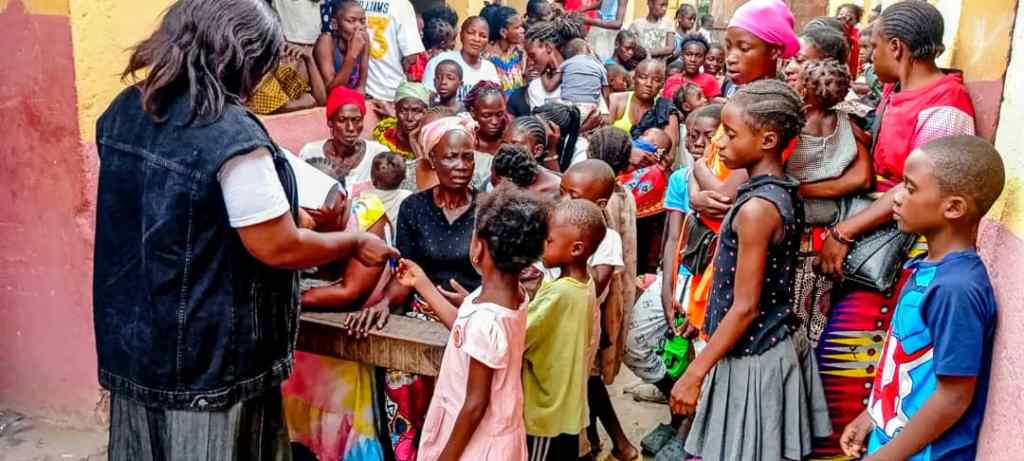
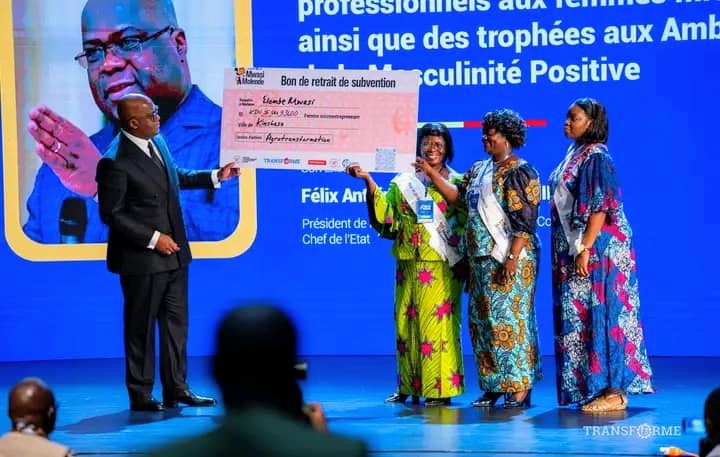
La Fondation Béatrice Baluta Lumona oeuvre pour l’autonomisation des femmes, le soutien aux veuves, l’éducation des enfants et le développement agricole, socio-culturelle et économique en République Démocratique du Congo.

Qui sommes-nous ?

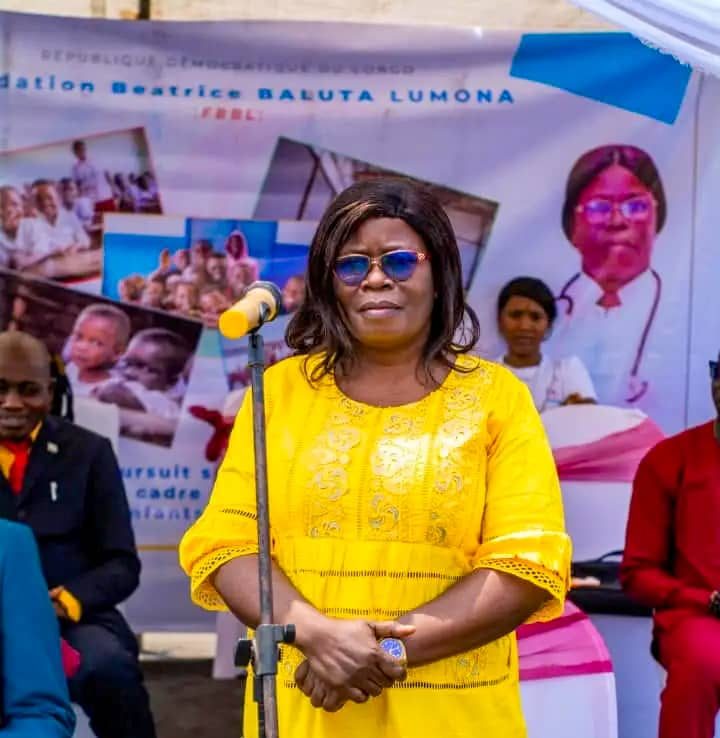
Sous la vision et l’impulsion de Madame le Dr Béatrice Baluta Lumona, la Fondation accompagne les communautés congolaises vers plus d’inclusion, de solidarité et de bien‑être.

Programmes

A clean, well-equipped rural health outpost interior shows a sturdy examination table with fresh white paper, a neatly organized shelf of clearly labeled medical supplies, and a bright blue cooler for vaccines on a low cabinet. On the wall hangs an informative poster about maternal and child health in French, alongside a simple logo of a solidarity foundation. Soft overhead fluorescent light mixes with subtle daylight from a small window, producing balanced, realistic illumination with minimal harsh shadows. Photographic realism, captured at eye level with moderate depth of field, conveys a reassuring, professional, and inclusive mood, emphasizing access to essential health services for vulnerable populations.

Accompagnement des communautés rurales pour améliorer l’accès à l’eau, à la santé et à l’éducation grâce à des projets participatifs et durables en RDC.

A carefully constructed rainwater harvesting system on the edge of a rural RDC village building shows a corrugated metal roof directing water into a wide, clean gutter that feeds a large, covered storage tank painted in foundation colors. Around the tank, the dry earth is dotted with new seedlings in small, labeled planting circles, symbolizing reforestation and environmental stewardship. The scene is lit by soft, early-morning light, with gentle highlights on the metal surfaces and long, delicate shadows across the ground. Photographic realism, shot from a low angle with the tank placed on a rule-of-thirds intersection, creates an inspiring, solution-focused atmosphere around sustainable development and community resilience.

Programmes d’inclusion sociale pour les enfants et femmes vulnérables, combinant soutien psychosocial, suivi scolaire, formations et activités communautaires favorisant dignité, protection et cohésion.

A spacious, open-sided community pavilion with a smooth concrete floor in a Congolese village is set up for an inclusion-focused awareness day. Colorful bilingual banners about solidarity, disability inclusion, and gender equality hang from wooden beams. On long tables, informational brochures, tactile learning materials, and a large, illustrated poster on social cohesion are precisely arranged. Warm, diffused daylight filters through surrounding trees, casting patterned shadows on the floor and soft highlights on the paper surfaces. Photographic realism, captured from a wide-angle perspective with strong depth of field, creates an inviting, dignified, and educational atmosphere that underscores respect, diversity, and community engagement without showing any people.

Nous co-construisons avec les cités des solutions adaptées, renforçant les capacités locales et l’autonomie économique, en particulier des femmes et des jeunes.

A carefully stacked collection of aid supplies, including neatly arranged brown cardboard boxes with clear French labels, rows of translucent jerrycans filled with clean water, and woven sacks of staples, sits on a clean concrete floor in a modest RDC community warehouse. Natural daylight filters through high side windows, creating soft, realistic shadows and subtle highlights on the varied textures. In the background, metal shelving and a large banner of a solidarity foundation logo are softly blurred. Photographic realism, shot at eye level with a slightly wide angle and moderate depth of field, conveys a professional, organized, and hopeful atmosphere focused on sustainable humanitarian support.

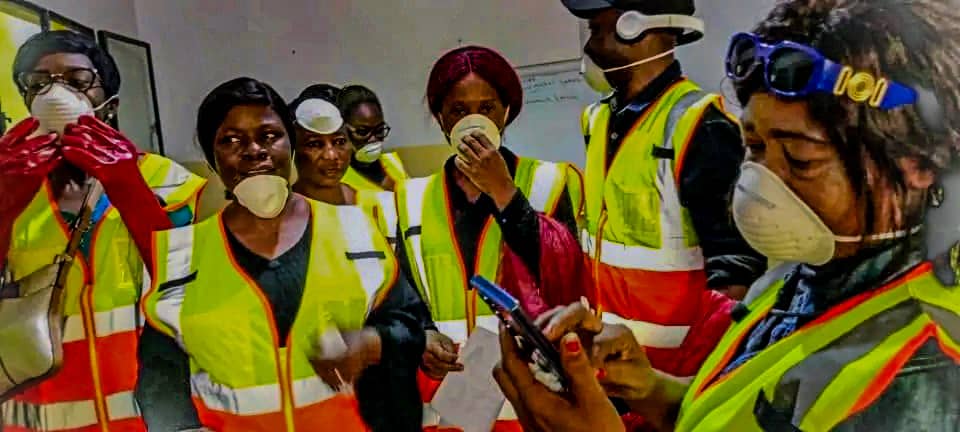
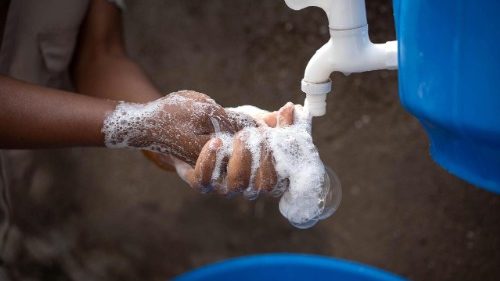
Nos équipes agissent au plus près des réalités locales en RDC à travers plusieurs programmes complémentaires : accès aux soins de base et à une alimentation saine pour les familles vulnérables, soutien à la scolarisation et à l’alphabétisation des enfants et des jeunes filles, accompagnement des femmes pour l’auto‑entrepreneuriat et les activités génératrices de revenus, ainsi que des projets d’eau, d’hygiène et d’assainissement. Chaque service est conçu avec les communautés, afin de renforcer leurs capacités, promouvoir l’inclusion sociale et construire des solutions durables, adaptées à leur environnement.

A lush, green community garden in a small Congolese town stretches across the foreground, with raised wooden planting beds filled with thriving cassava, beans, and leafy vegetables. The soil appears rich and well-tended, with simple irrigation hoses running between rows. In the midground, a small, solar-powered water pump sits beside a blue storage tank, symbolizing sustainable development. Soft late-afternoon golden light bathes the scene, casting long, gentle shadows and warm highlights on the foliage. Photographic realism, captured from a slightly elevated angle following the rule of thirds, creates a calm, optimistic mood that emphasizes resilience, local empowerment, and environmental care.
A bright, orderly training room in a local RDC community center features several simple wooden tables with neatly stacked notebooks, colorful folders, and a single open laptop displaying a chart about social inclusion. On a white wall in the background, a large poster outlines sustainable development goals in French, with icons for education, health, and environment. Diffused daylight enters from a side window, creating even, soft illumination and mild reflections on the laptop screen. Photographic realism, framed in a centered yet spacious composition with sharp focus throughout, communicates a professional, structured, and forward-looking atmosphere dedicated to capacity building and solidarity.
A clean, well-equipped rural health outpost interior shows a sturdy examination table with fresh white paper, a neatly organized shelf of clearly labeled medical supplies, and a bright blue cooler for vaccines on a low cabinet. On the wall hangs an informative poster about maternal and child health in French, alongside a simple logo of a solidarity foundation. Soft overhead fluorescent light mixes with subtle daylight from a small window, producing balanced, realistic illumination with minimal harsh shadows. Photographic realism, captured at eye level with moderate depth of field, conveys a reassuring, professional, and inclusive mood, emphasizing access to essential health services for vulnerable populations.

Avis

Aya Nakamura

« Grâce à la Fondation Béatrice Baluta Lumona, notre village a enfin accès à une source d’eau potable et à des séances de sensibilisation sur l’hygiène. Les cas de maladies ont nettement diminué et les enfants manquent beaucoup moins l’école. Ce qui m’a le plus touchée, c’est la manière dont l’équipe nous écoute et nous implique dans chaque décision : nous ne sommes pas de simples bénéficiaires, mais de vrais partenaires du changement. » — Maman Jeanne, habitante de la périphérie de Kinshasa.

Mateo García

Dans notre village, l’accès à l’eau potable était un rêve. Le projet mené par la FBBL a transformé notre quotidien et réduit les maladies chez les enfants.

Actualités

Recevez les nouvelles de la fondation FBBL

Rendez-nous visite

N°25 Avenue Kimwenza, Quartier 3 Commune de N’Djili, Kinshasa, RDC

Heures

Lun–ven 9h–17h

Tél.

01 23 45 67 89